An Artist's Story - Dr. Francois Ricles Gracia
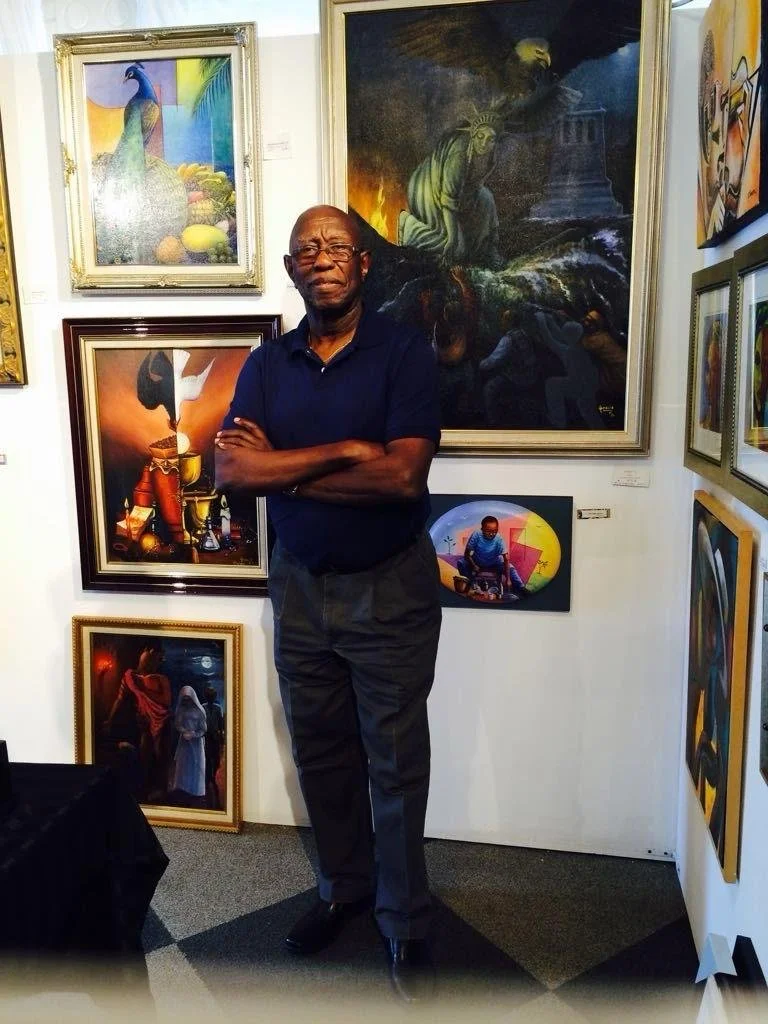
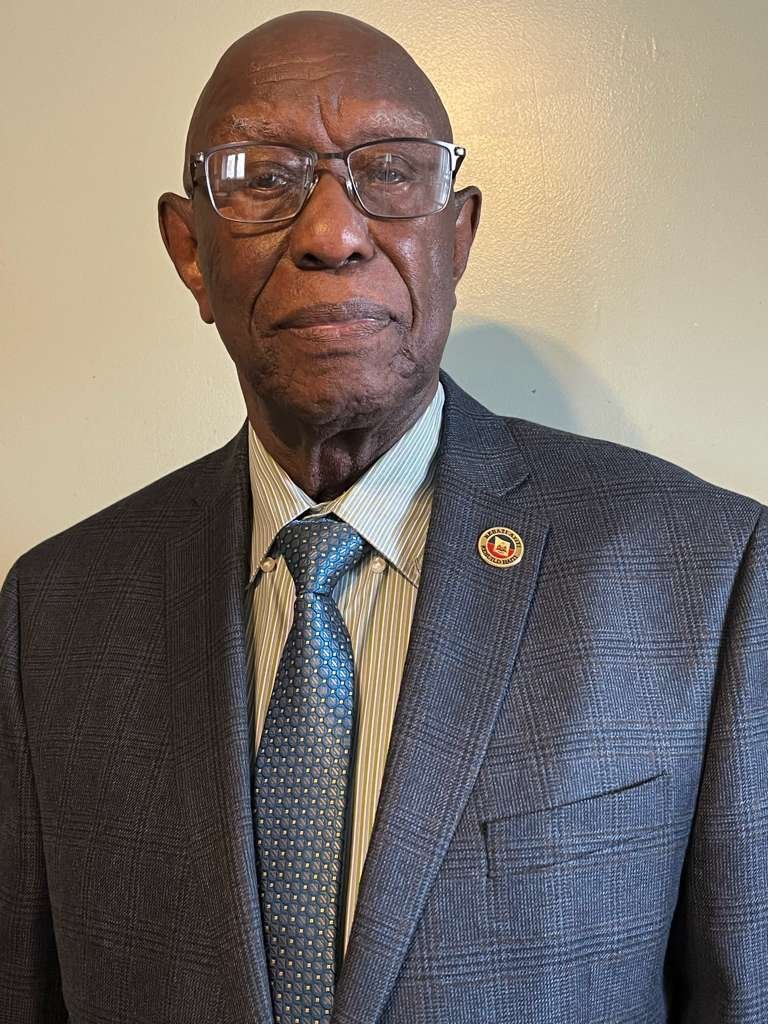
Born in Limbe, Hait, Dec.7 1940, Gracia started painting at age 7 stimulated by his neighbor Marcel St-Vil, his aunt Gertrude, maternal uncle Pierre and the Obins in Cap- Haitian, Later on, in Port-au Prince, he was greatly influenced by the Wah brothers and participated in his first . national art exhibition at age 18th.
In 1964, he went on to Spain to study Medicine at the University of Sevilla, School of Medicine of Cádiz where he specialized in Ophtalmology. While in Europe, he expanded his knowledges in painting, sculpture and ceramics with Spanish masters and collaborated in many scientific illustrations with Prof. Juan del Rey Calero. Awarded from several art contests, his works are part of different art collections in Spain, Switzerland, France, Italy, USA, Canada, Brazil, Venezuela, Perou, Hait, Guinea and other West African countries.
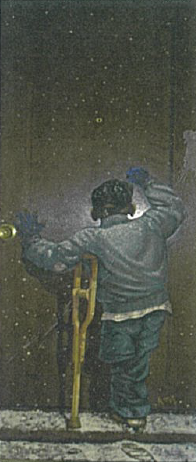
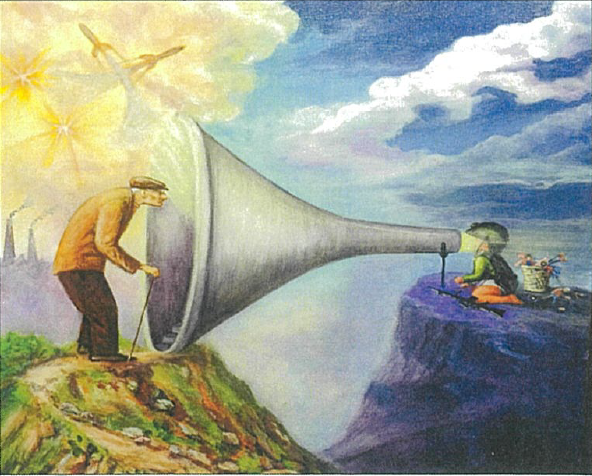
Gracia speaks and writes fluently: French, English, Spanish, Kreyol. After more than fifty years away from his native country, his passion for art eclipses almost everything. With genuine visual memory and sharpness of sight, he tries to keep his Caribbean country "up close and personal" so he unfolds in front of us the misfortune, the joy, the sweat, the dignity, the resilience and the history of his Haitian people. His vivid and realistic still lives, his country life scenes, his portraits as well as his sculptures raises the admiration of art lovers and art collectors all over the world.
A combination of Neoclassicism, Lyrical romanticism and Symbolism define his artistic expression.
Artist Interview
When I was a youngster, my favorite time was visiting my uncle Pierre in Limbe. He was a real artist working in painting, decorating, sculpting, modeling, or knitting. I would enjoy just sitting in a corner watching him work. A few years later, we moved to Cap Haitian and was fortunate enough to live across the street from renown artist Marcel St. Vil. I spent all my free time at his atelier, especially that he had a beautiful book of Michelangelo's sculptures.
By the age of eight I was producing my first artwork. Within a couple of years Marcel would take me with him to decorate client's homes and I was such a good apprentice that soon he'd let me go alone to the clients. I became a frequent visitor of the Centre d'Art Branche Capoise under the direction of the Obin brothers. One evening I overheard a conversation between Marcel and a friend calling me a very good artist. It was the first time I thought of myself as an artist.
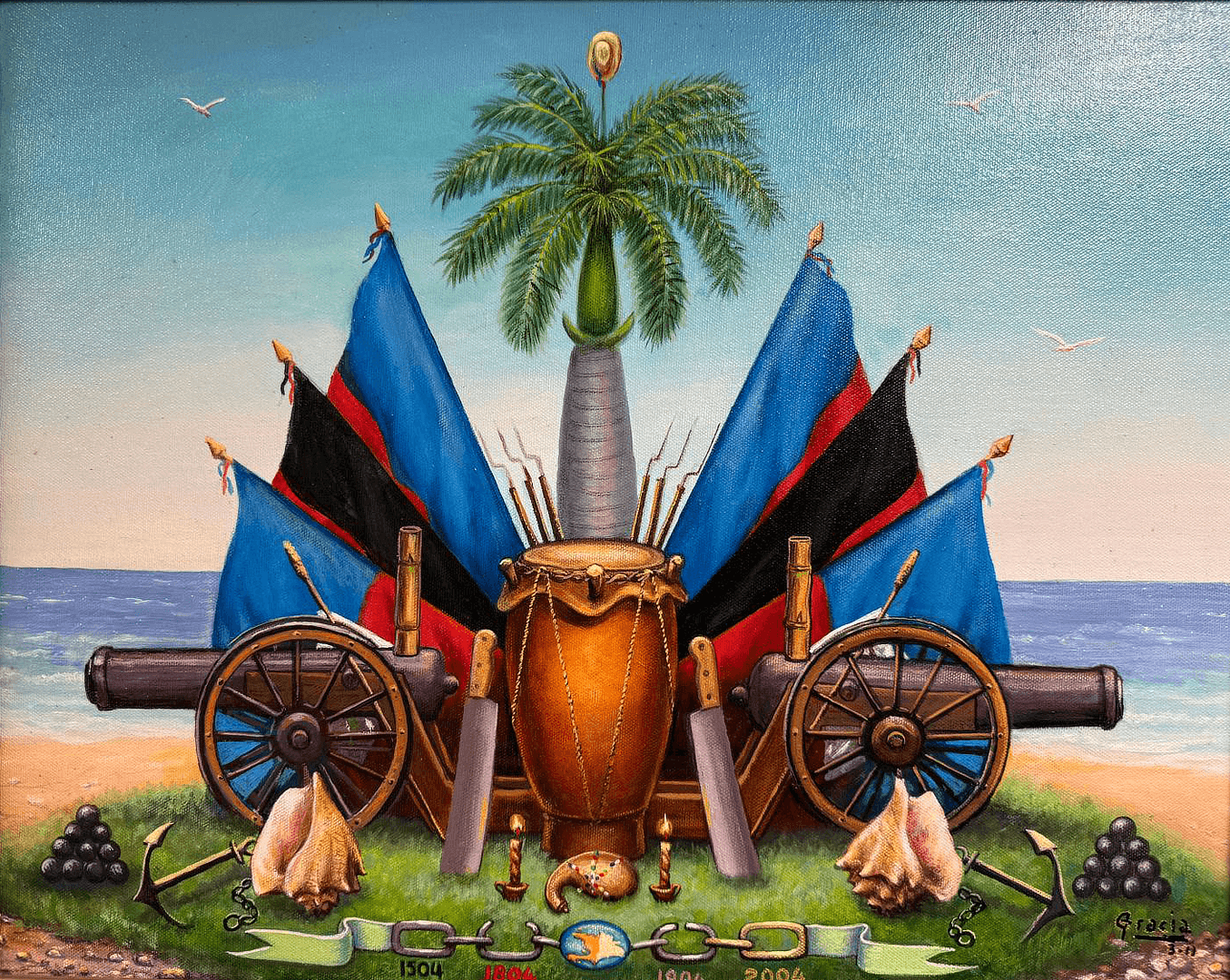
Your works are very detailed and realistic.
Are they witnessed or imagined?
The most satisfying part of being an artist is getting feed- backs (positive or negative) from educated collectors or from a renowned art critic for one’s artwork. While working as a scientific illustrator for the Service of Microbiology at Sevil- la/Cadiz University, I studied modeling and sculpture under Jose Luis Villar, a renowned ceramic professor from Algeniras. At an exhibit in Puerto Real I won a bronze plaque 3rd place for my sculpture “Adam and Eve”; then in another exhibit hon- oring Picasso in Marbella, I got a special mention for my sculp- ture “Sexual Liberation.”
Where can we find your work?
I am a visual person. Form, shape, color, and line interrelate in an orderly fashion that touches my sensitivity and imagination.
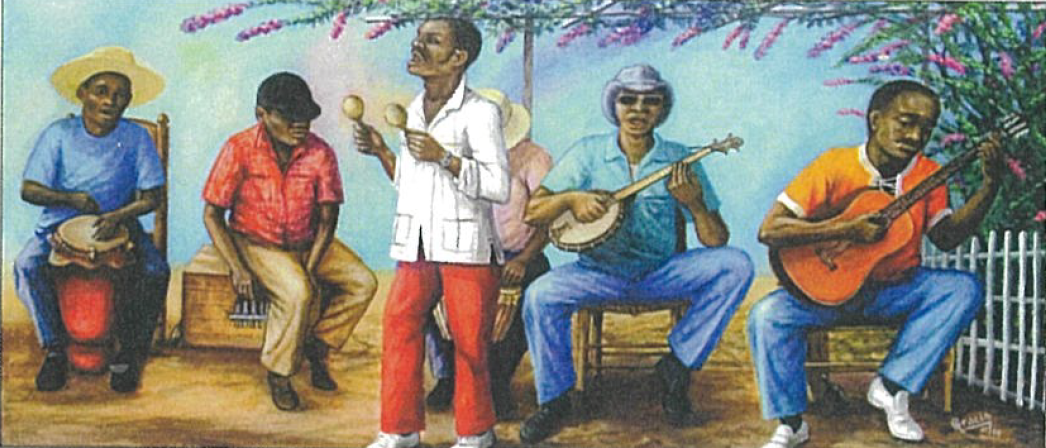
I was born in Limbé, a historic town in northern Haiti, and became very familiar with life in the countryside. I participated in collective farming (kombit), witnessed countless Vodou ceremonies, rural festivals (fèt champèt), kermesses, and carnivals. I mingled with children bathing in rivers, flying kites, fishing, hunting, climbing trees, and playing marbles.
In the cities—Cap-Haïtien and Port-au-Prince—I played ball in the streets and spent time with friends in marketplaces, talking with and buying from street vendors. All of these experiences are deeply anchored in my mind and reveal themselves on the canvas.
What has been the biggest challenge in becoming an artist?
The challenge of an artist is to transtorm thoughts, ideas and imaginations into a combination of form and colors, waves and sounds that can positively modify the life of people and the environment. However, due to cultural circumstances, especially in Haiti, society can create some discriminations. That is why it was a big challenge for me to put my artistic career above my medical career. When my parents told me in 1964 That 1 was to travel to Spain to study, I took it for granted that I was to study art and become a famous artist.
My aunt-ie Gertrude quickly brought me back to earth saying that the medical diploma was to come first. It was wise advice for I come to believe that one should have a profession and a trade to carry You in life. However, after working as years for an MD. arophthalmologist, and a scientific tor in Spain, was able to join my first love, my muse, and immerse myself fully in artistic talent, and keeping my artistic standards as high as my medical standards.
How has entering the medical profession affected your art?
My medical career helped my art in that it provided me knowledge in anatomy, physics, etc. to help with the realistic conception and presentation of my artworks. My artistic ca-reer, on the other hand, helped my medical career in a finan- cial way. Shortly after entering medical school in Cadiz, Spain, I met and married my wife who was also studying at the uni-versity. Life was difficult because as a foreigner on a student visa, I could not work. One afternoon I accompanied my wife to a seminar on microbiology when the professor asked for some artistic help; I raised my hand, and instantly became the unofficial illustrator of the Service of Microbiology and Hy- giene of the University of Cadiz. I was not paid much but enough to purchase art materials to prepare an exhibit.
The opening was well attended by many public figures including the Governor and his lieutenants, the various faculty deans, the director of fine arts and other dignitaries but the event was not lucrative. A few months later I travelled to Switzerland with several paintings and visited a gallery in Geneva where the owner purchased 11 or the 14 paintings I had brought with me. Best of all, for being the university illustrator, my enrol-ment fees and that of my wife were waived until graduation.
Have you ever faced an artistic challenge you couldn’t overcome?
Only once. I was about 10 years old, on a sunny, hot Friday afternoon in a drawing class in the all-boys school. Brother Marcelin, our teacher, drew a table on the blackboard that we were to finish copying by dismissal; the entire class handed their assignment and left. I was still alone in the class with Brother Marcelin who paced like a lion in a cage, intent on not letting me go without draw- ing his table. I felt nauseous and sick, but unable to draw the simple table. Finally, 45 minutes later the school di- rector came to intercede in my favor and Brother Marcelin let me go. It was an experience I will never forget.
The irony, however, was that the Boys School was located right across the all-girls school and for Christmas, new year and every birthday, the Don-Juans of my class would pay me to create and paint greeting cards to send to their heart- throbs across the street. That Friday afternoon was the worst day of my life. Maybe if I was not forced, I could have drawn the most beautiful table but un- fortunately, emotions got in the way. Since then, to minimize the human or emotional factor before I get engaged in an art- work, I pray; and when I finish I give thanks to the Creator for allowing me to imitate him, by creating a piece of art.
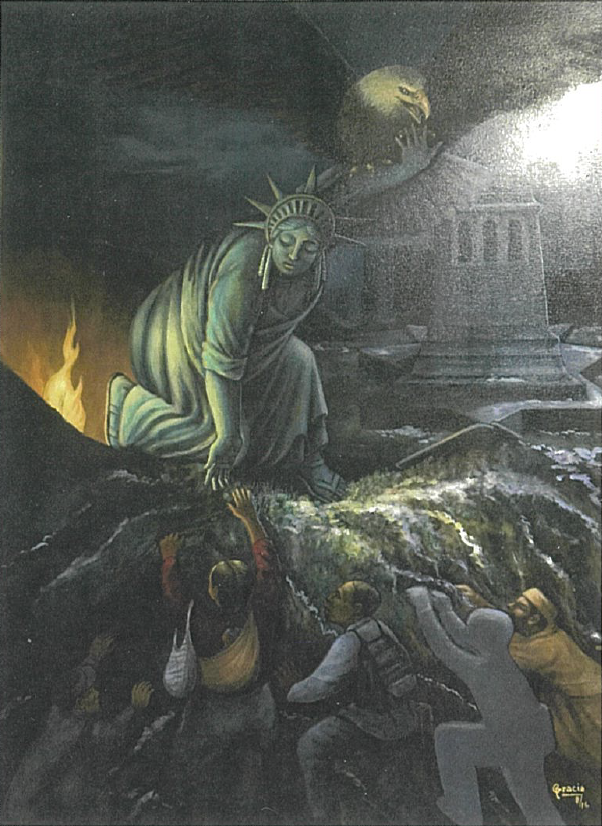
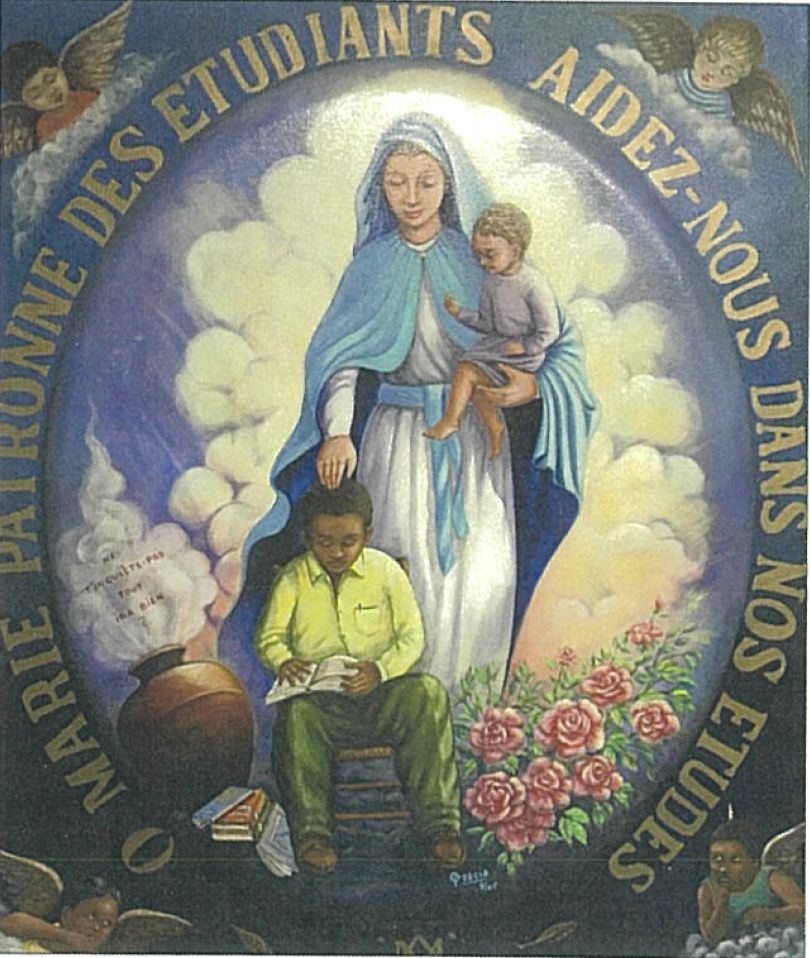
I am a little more spiritual than religious. I respect all religions but I question some of their practices and stay at bay without compromising my artistic freedom, crossing boundaries or touching susceptibilities. I paint voodoo cere- monies that I witnessed, others that were described to me by eyewitnesses, adepts or professional anthropologists. Many of my pieces are also my own personal experiences and imagina- tion backed by professional advice and direction.
Some of your artworks have a religious theme. Tell us about that.
What is the most satisfying part of being an artist?
My works can be seen at:
Dr. Francois Gracia Fine Art https://www.graciafineartstudio.com
Dr. Francois Ricles Gracia - Embassy of Haiti https://www.haiti.org/dt_team/francois-ricles-gracia/
I can be contacted at: Phone: 917-579-3207 , Email: graciastudio7@gmail.com